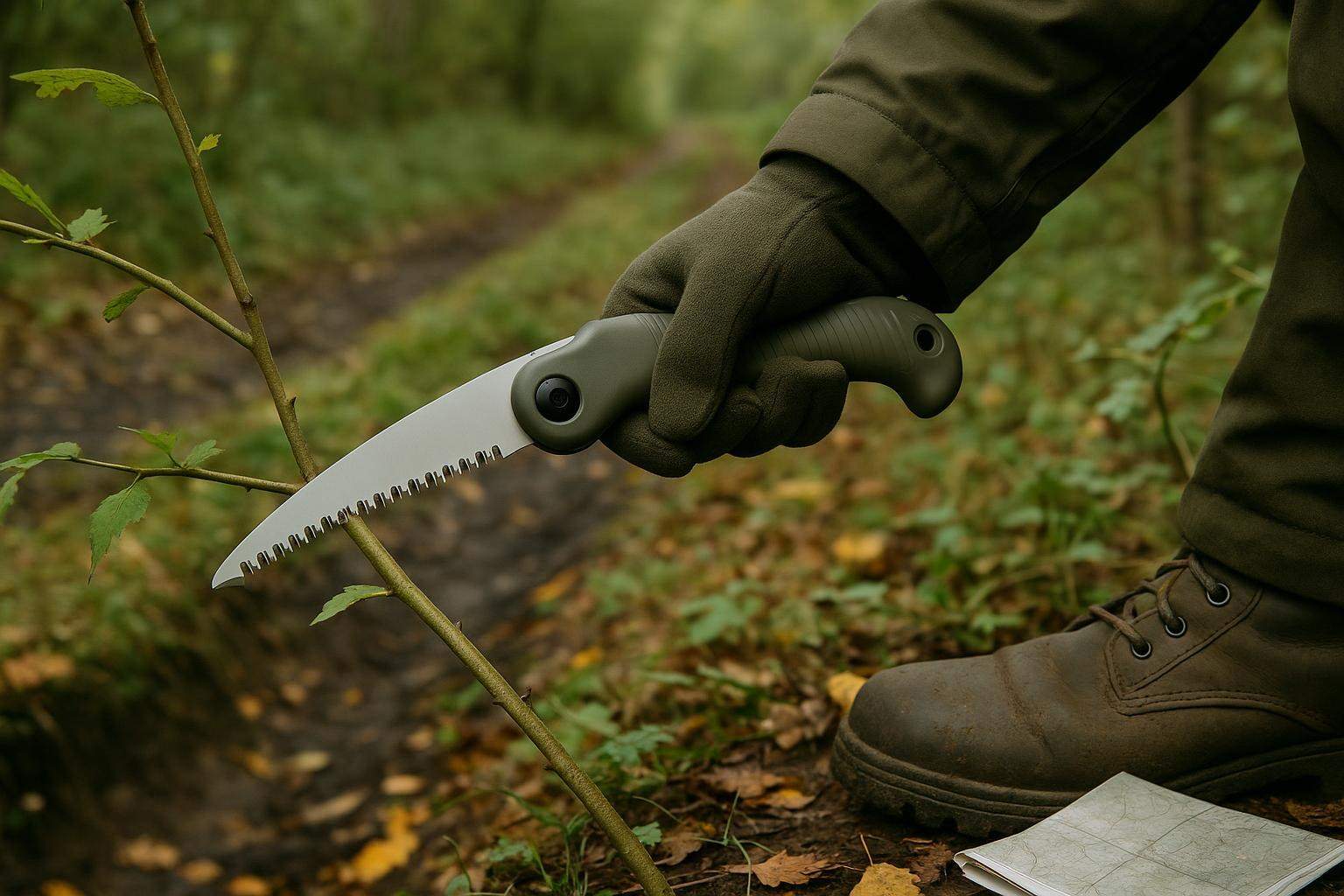
Navigating Access Trail Challenges for Hunting
Hunting across terrain often brings a problem: how to access hunting grounds while keeping the ecosystem safe. In October when the ground is wet the problem becomes bigger. Boot tracks can sink near creeks and the route that seems efficient may cross a neighbors property. While it may be tempting to clear a trail every inch of ground that is broken changes wildlife interaction. The main question is: can we improve access without hurting the land? Managing drainage, timing, regulations, habitat goals and permission will guide your preparations.
Assessing and Planning Your Access Route
Before you start any trail‑clearing work walk the proposed path in daylight. Notice where the ground stays firm and where it is soft and muddy. Find spots where water collects after rain and plan how to go through them without causing harm. A trail that looks simple and fast on a day may cause mudslides and erosion when the weather changes.
Also think about how the route connects. Does it take you from your vehicle to a stand? Does it cut through a feeding area. Cross a fence line? Often a longer route that stays away from spots is better for a quiet hunt letting wildlife stay undisturbed before shooting time.
Using existing trails like logging paths or farm lanes can reduce environmental damage. While it may be necessary to clear some branches that hang over building a brand new corridor can greatly change wildlife habits.
Leverage Natural Drainage
Water shapes land well. Placing a path on a slope is usually a bad idea because rain can cut channels where tires have tracked. Instead choose a route that follows the land's shape; this usually gives better drainage and less erosion.
Also walk carefully near ditches, wetland edges or seasonal streams. State and federal laws may limit what you can do in those areas so learn the rules before starting drainage or construction. Remember the goal is not to build a road but to make a quiet useful path. A narrow footpath can be enough; just trim lightly and selectively.
Avoid Creating Wildlife Funnels
Be careful: any trail you make can change animal movement even if only hunters use it. Open areas near trails often attract browsing and stand out which can change how animals move. It is important to think about trail placement not for humans but for its effect on wildlife.
For example avoid cutting paths along the edge of cover when other options exist. An edge may look easy. It can make a predictable disturbance pattern that animals learn to avoid. Aim for a trail that follows the landscape naturally of making a sharp corridor that could scare wildlife. Just making a quiet path without too much widening may help.
Respect Property Lines and Regulations
A new access trail can accidentally create land compliance problems. Check the location of property lines and confirm them on the ground because old fences can be misleading. When you reach a neighbor's property always ask for permission of assuming you can enter.
Also keep up with the hunting rules for the coming season. Review the rules about baiting, motorized vehicles, trail cameras and shooting. Laws can. A general online overview may miss local details. Always consult the wildlife agency or land authority for guidance.
Keeping hunting means creating access responsibly. Your route should help you reach the hunt legally and safely not to set traps or create feeding spots for wildlife.
Before You Clear: A Practical Checklist
Prior to making any cuts to the land review this checklist:
– Purpose: Does your chosen route genuinely address an access or safety issue?
– Ground Conditions: Can the trail navigate around slopes pooling water and unstable ground?
– Habitat Impact: Is there disruption, to nesting, denning or critical cover?
– Boundary Clarity: Are property lines, easements and permissions verified?
– Regulatory Compliance: Are you aware of hunting regulations and land management practices?
– Sustainability: Is your chosen path appropriately scaled for long‑term use?
– Human Impact: Can you maintain tranquility through the route without creating a wildlife funnel?
If there are uncertainties after reviewing I recommend flagging the route and gathering information before proceeding. A delayed decision may be inconvenient. It is far preferable to the consequences of causing habitat destruction or disputes with neighbors.
In conclusion I find that the effective access routes often go unnoticed once established. They maintain water movements preserve wildlife cover and respect boundaries allowing hunters to approach their areas stealthily. This successful preparation is defined not by the thickness of the path created. Rather, by the careful thought that ensured minimal ecological footprint.